Project Details
Producer
Opening Ceremony
Director
Spike Jonze
Opening
September 8th 2014
Venue
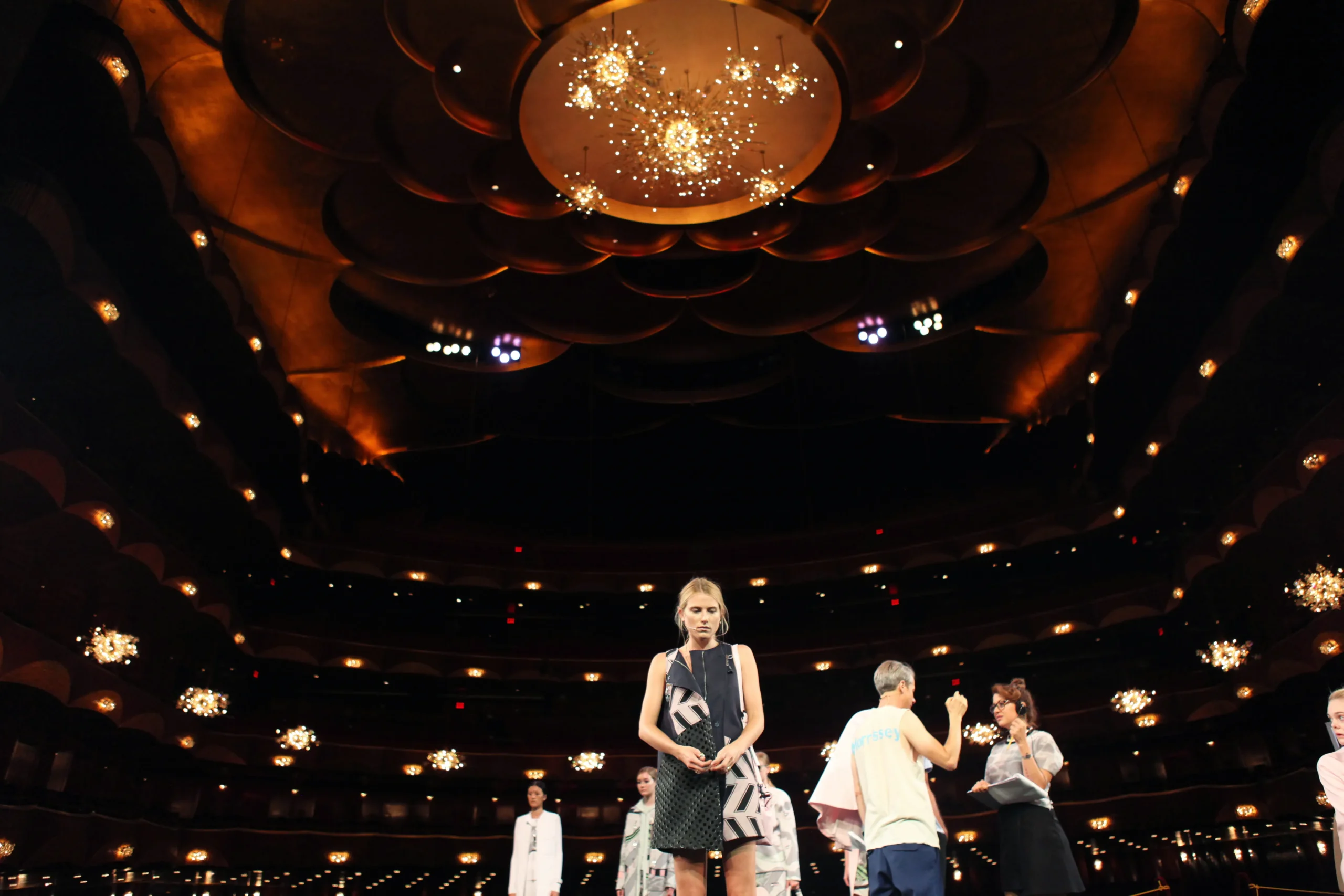
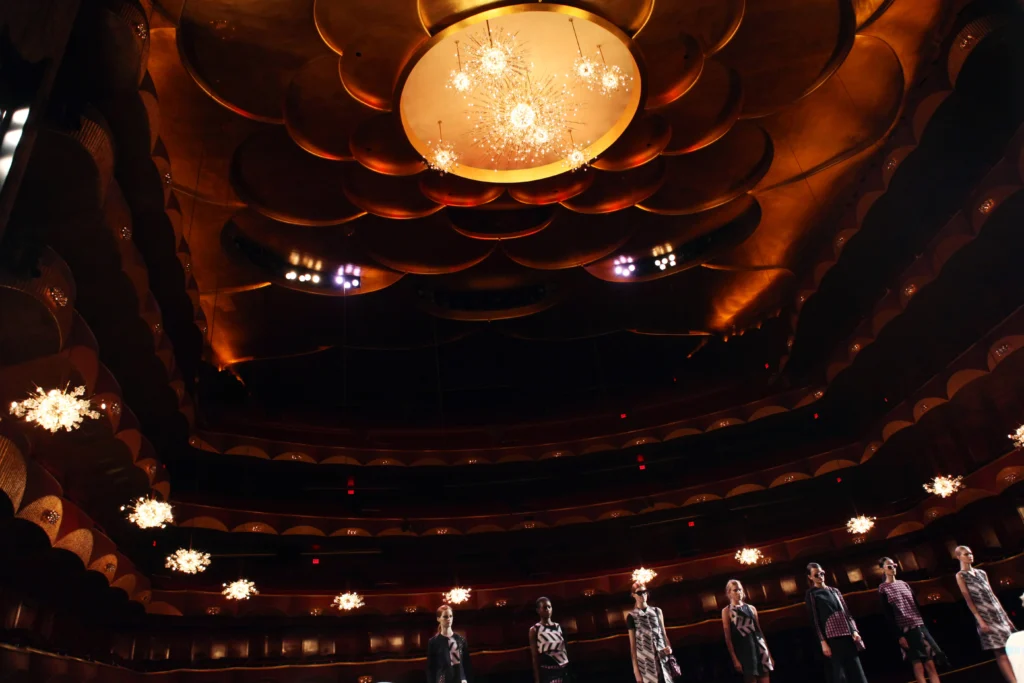
Metropolitan Opera House New York, New York
About the Project
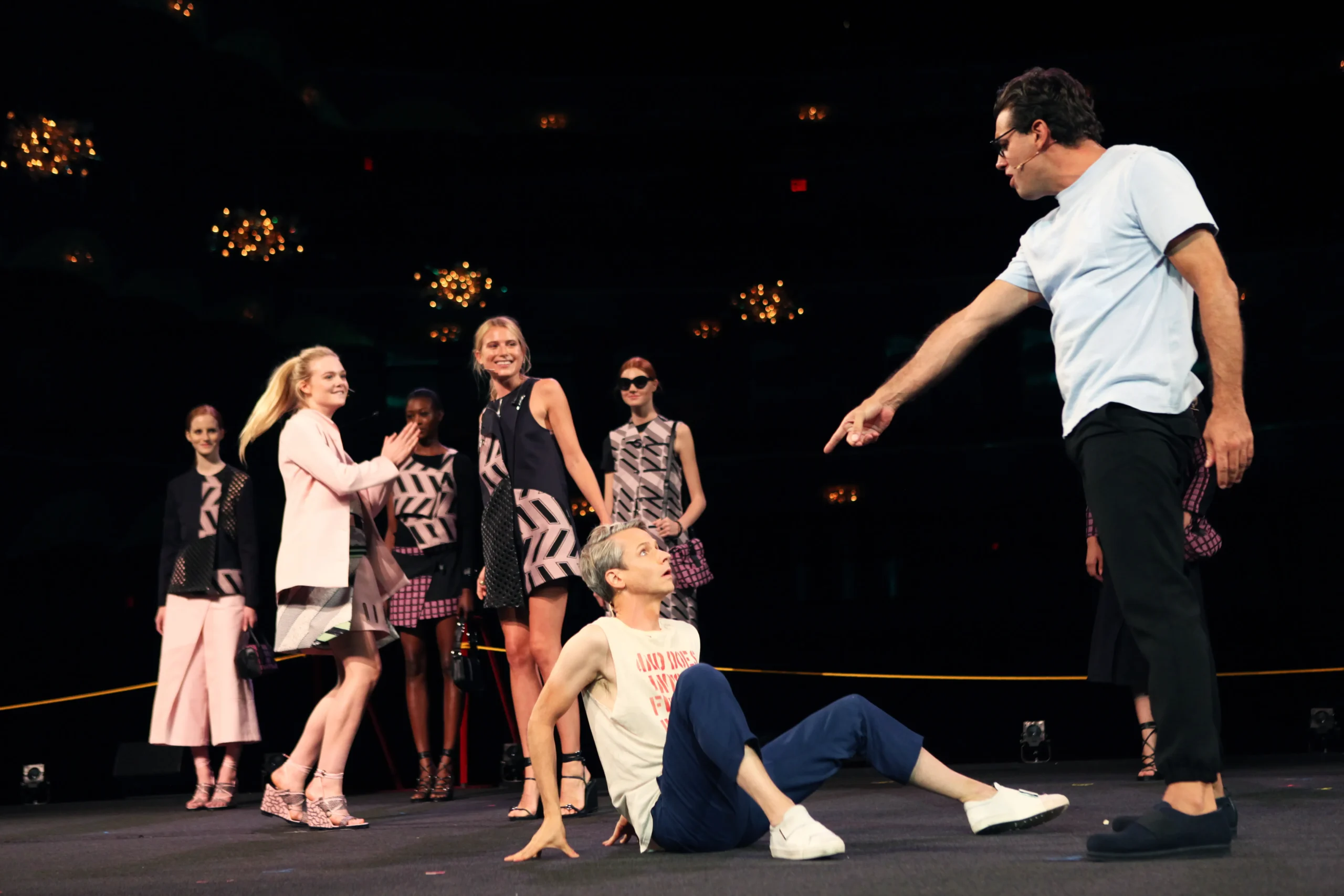
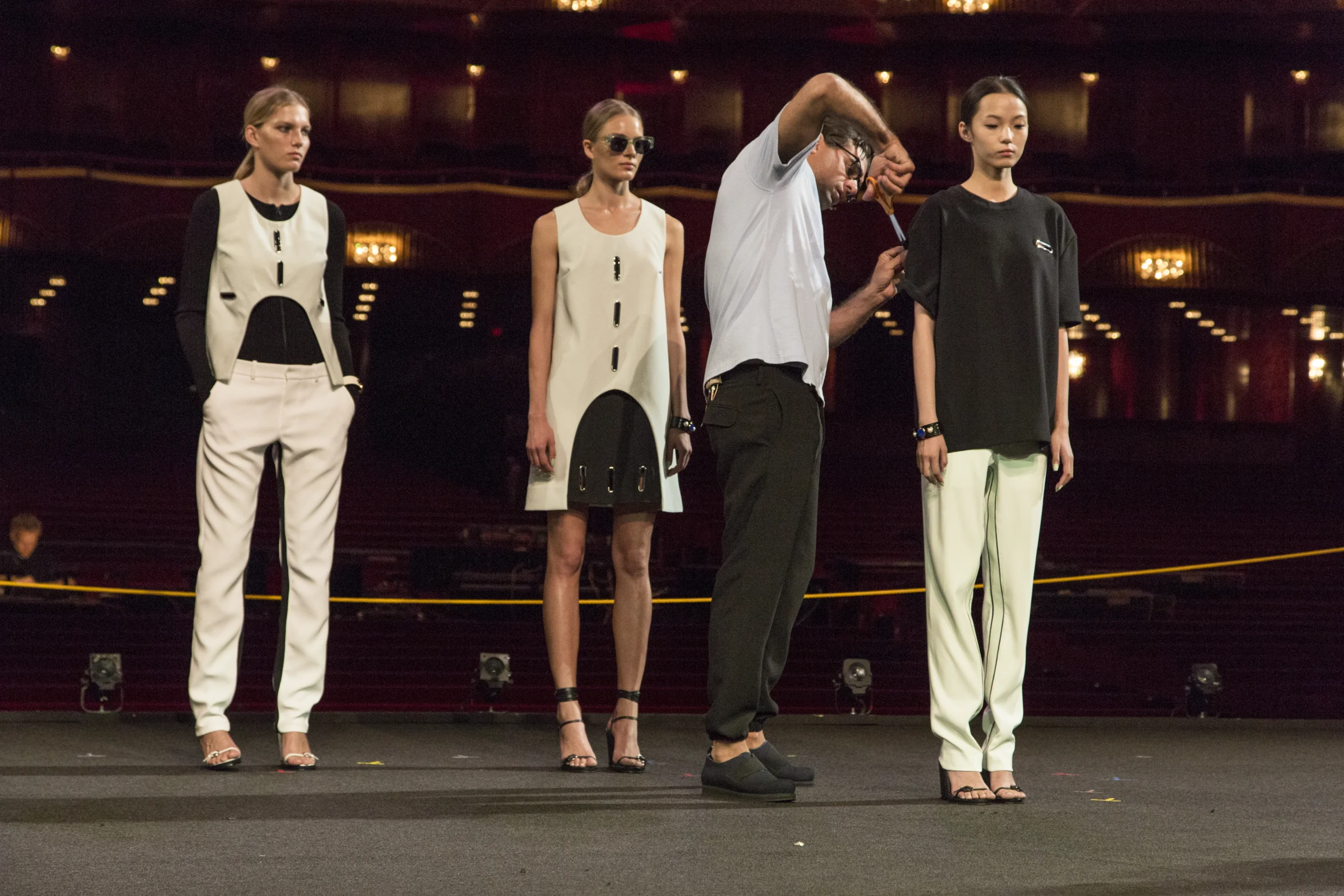
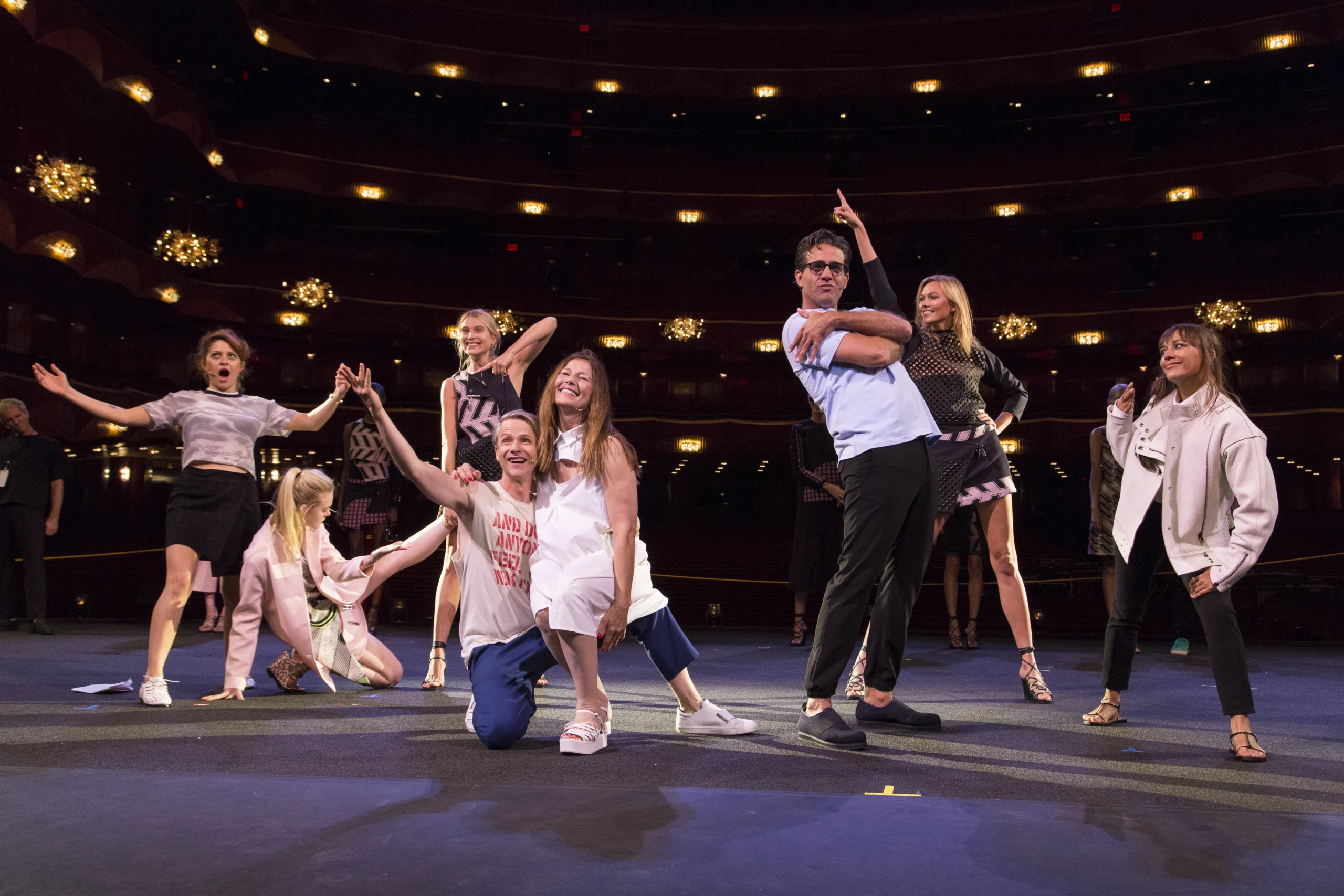
The show was a mixture of minds in respect to combining professional film and theatre actors, industry stylists, fashion models, writers, directors, and producers from different concentrations supporting the oc creative directors collection of a brand whose
mission it is to inspire global collaboration in fashion, all set in a internationally renowned opera house. The show was a new work, being involved with the production from the beginning was important. I attended script readings and rehearsals. Planned
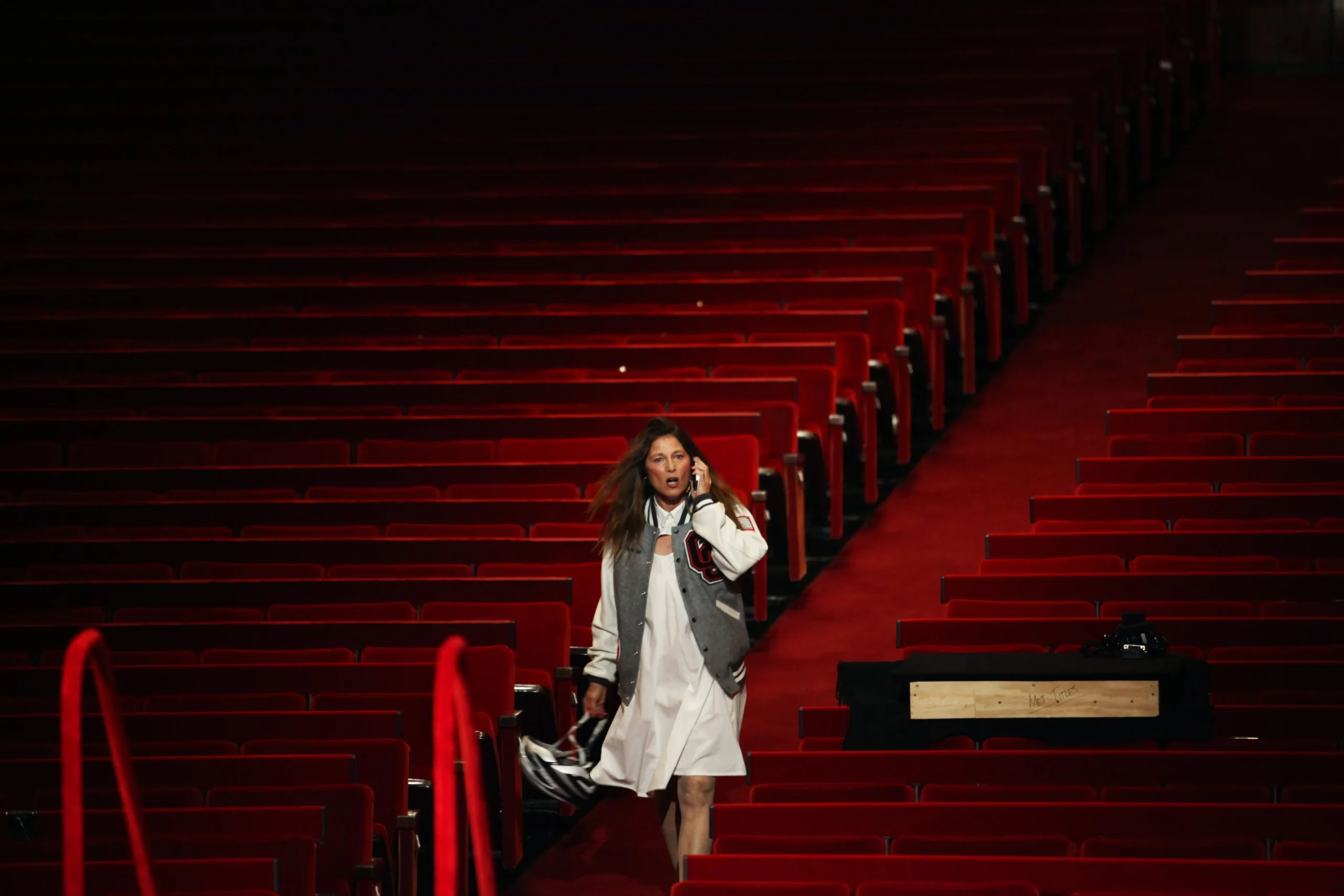
multiple revisions and ultimately studied the show to not only prepare a design but to explain the show to the many teams of professionals at the met. The show was set in reverse making the expansive auditorium of the met the backdrop for the production.
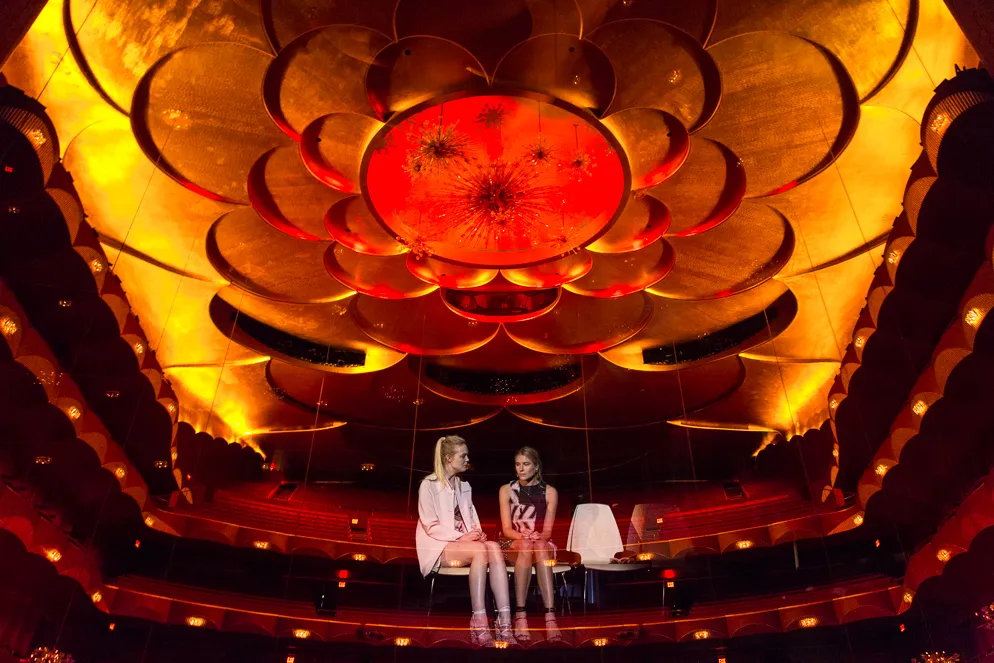
The apron of the stage was the playing area, and the mets stage lift system was tiered to accommodate the seating. The lighting plot uses the existing lighting bridges over the stage lowered to the appropriate height to provide a more flattering glow of
the actors faces. It also used the lighting positions front of house, coves and proscenium, to sculpt areas that would accommodate the plays many scenes. Working in an opera house you generally just walk in and say i would like those lights and they are
patched and turned on as there are hundreds of lights existing in the air for you to choose from. The staff worked tirelessly to support the production and i was lucky to be able to also add a few fixtures to augment the lighting. The color pallet consisted of
slightly tinted warm shades to brighten the mood of the comedy. Ambers for highlights., Warm whites to key the attention and bold saturated systems to change the reality and setting of play from something other than the auditorium. Truss tower structures
where hidden in the auditorium with bright color changing moving lights and added to accommodate specials, to layer in color across the architecture.